
3D Printing in MJF Technology
Technology that accelerates production and simplifies processes.
Technology that accelerates production and simplifies processes.
3D Printing in MJF Technology
Speed, precision, and reliability in contract manufacturing.
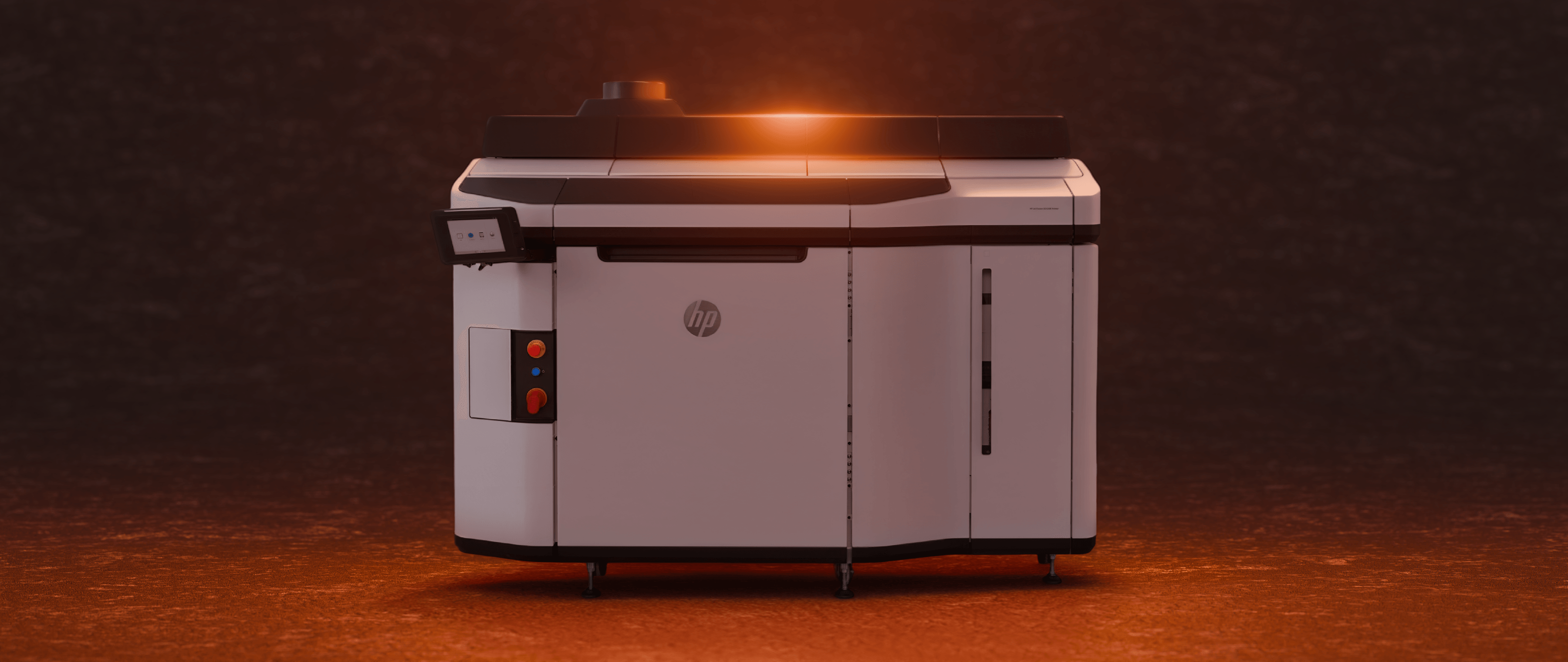
HP Multi Jet Fusion (MJF) technology is the foundation of industrial 3D production at COSMOLD.
It combines the repeatability and quality characteristic of injection molding with the flexibility of additive printing – an ideal solution for short runs, prototypes, and finished functional components.
3D printing technology
HP Multi Jet Fusion
.png&w=3840&q=100)
HP Jet Fusion 5620 Pro
Industrial-class printer of the new generation.
The HP Jet Fusion 5620 Pro printer is a production-class device designed with scalability, repeatability, and full process control in mind.
The system based on HP Digital Production Suite integrates printing, analytics, and production cycle management, creating a complete solution for industry.
How does MJF technology work?
The MJF process involves precise application of polyamide powder layers, which are activated by two types of agents - fusing and detailing
and then fused with heat.
This allows achieving homogeneous parts without supports, with smooth surfaces and high dimensional stability.
Build volume:
380 × 284 × 380 mm
Build speed:
up to 3,466 cm³/h
Print resolution:
1200 dpi
Repeatability:
±0.2 mm / ±0.2%
Layer thickness:
80 μm
Supported materials
PA12, PA11, TPU
Advantages of MJF printing
We print exclusively with industrial-grade materials that combine high strength with manufacturing precision.
.jpg&w=3840&q=100)
Step 01
Professional post-production
At COSMOLD, post-production is not an addition but a key stage of the process. Thanks to automated DyeMansion systems, we provide perfectly clean, smooth, and colored parts — ready for assembly, sale, or direct use in production.
Step 02
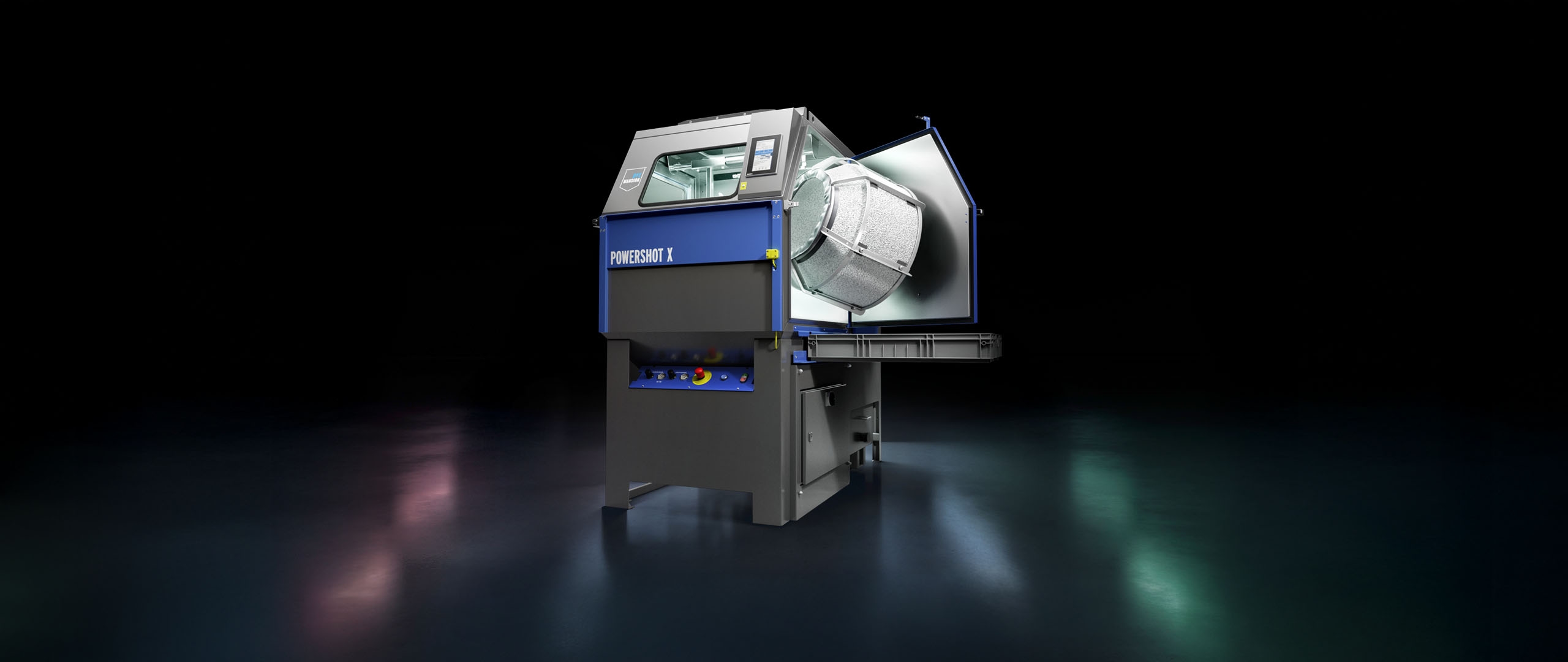
DyeMansion Powershot X
Versatile cleaning and surfacing system for MJF prints — modes “PolyShot Cleaning”, “Surfacing”, or both combined. Cycle speed 5-40 min, basket volume ~26 l, designed for serial production with excellent surface finishing.
Step 03
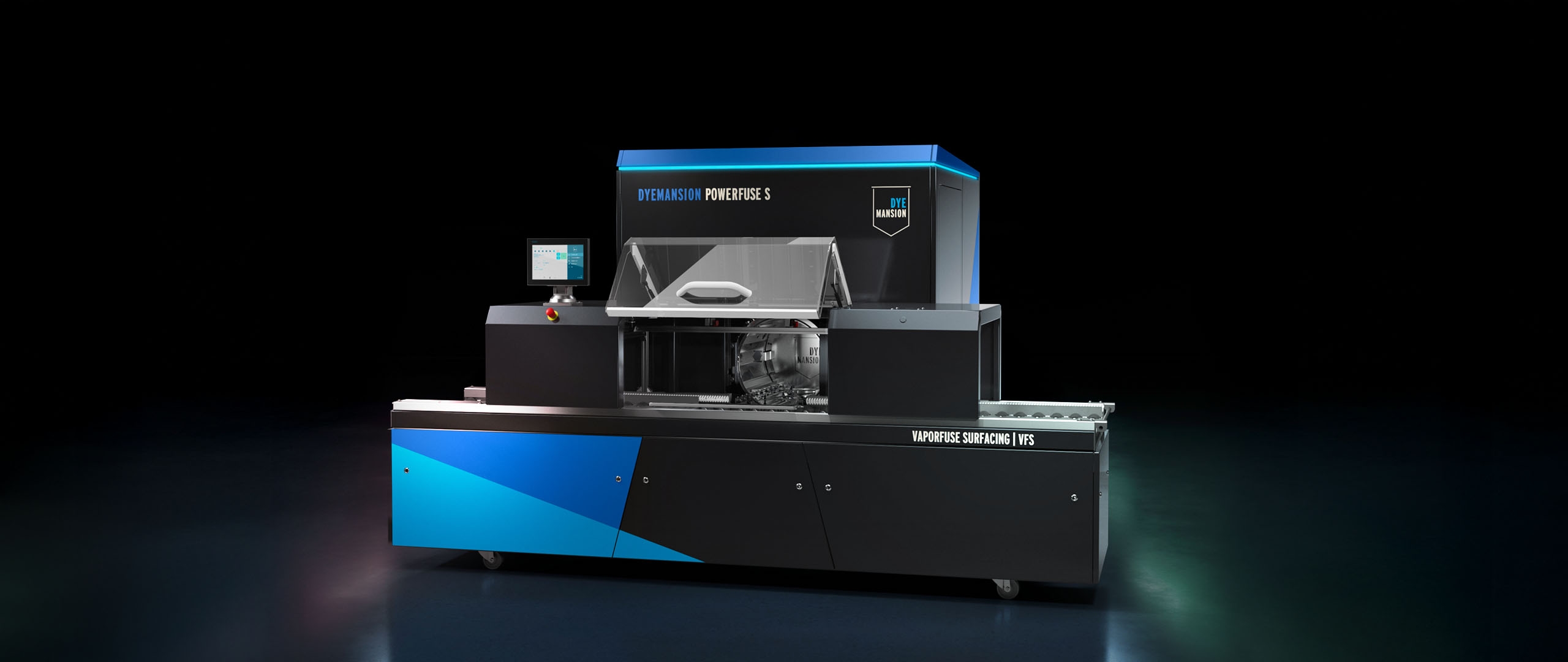
DyeMansion Powerfuse S
Advanced “VaporFuse Surfacing” system for smoothing MJF and TPU parts — achieves an appearance almost like injection molding. Chamber volume: 85 l, cycle: 45-180 min, compatible with automation and Industry 4.0.
Step 04
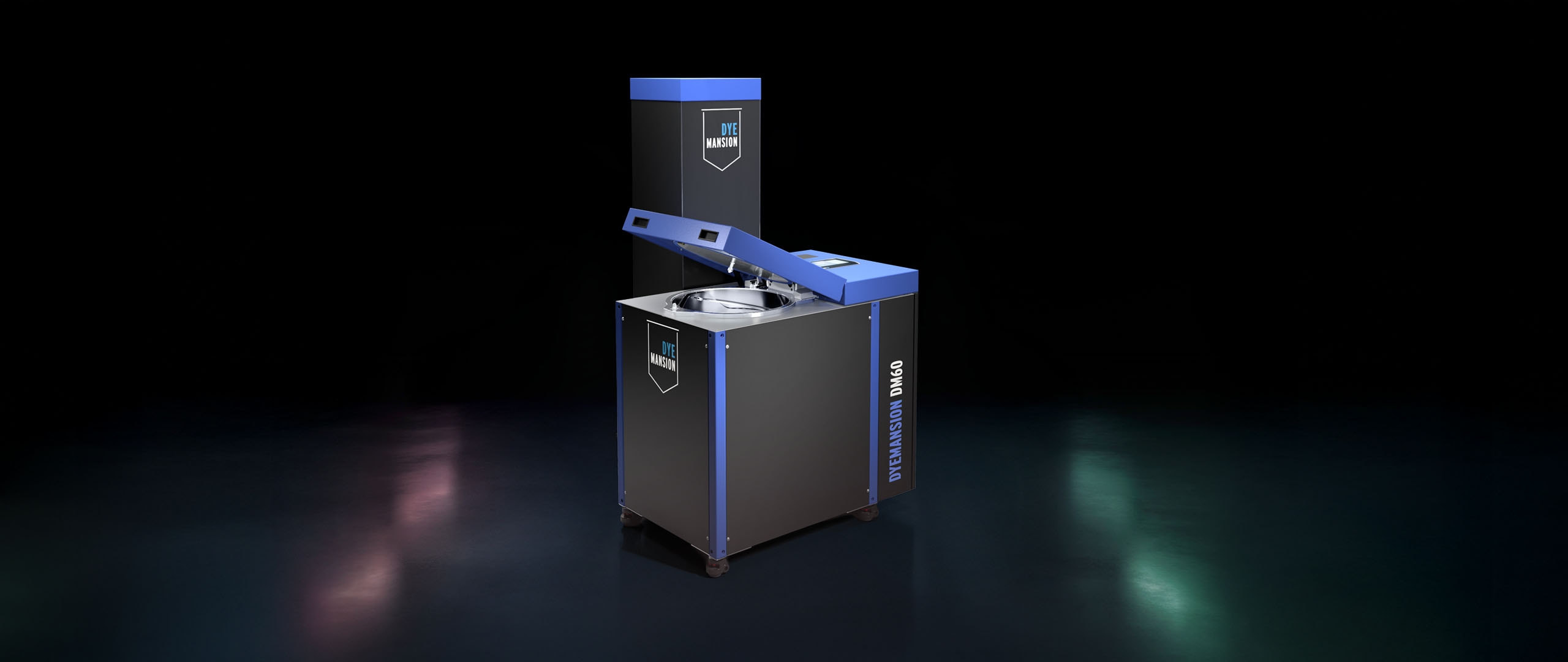
DyeMansion DM60
Comprehensive 3D printed part coloring system — unlimited color palette, ISO-certified formulas, cycle approx. 150 min. Supports A MJF, PA12/PA11, TPU and preserves color depth and process repeatability.
Perfect 3D finishing
From raw print to premium-class product.
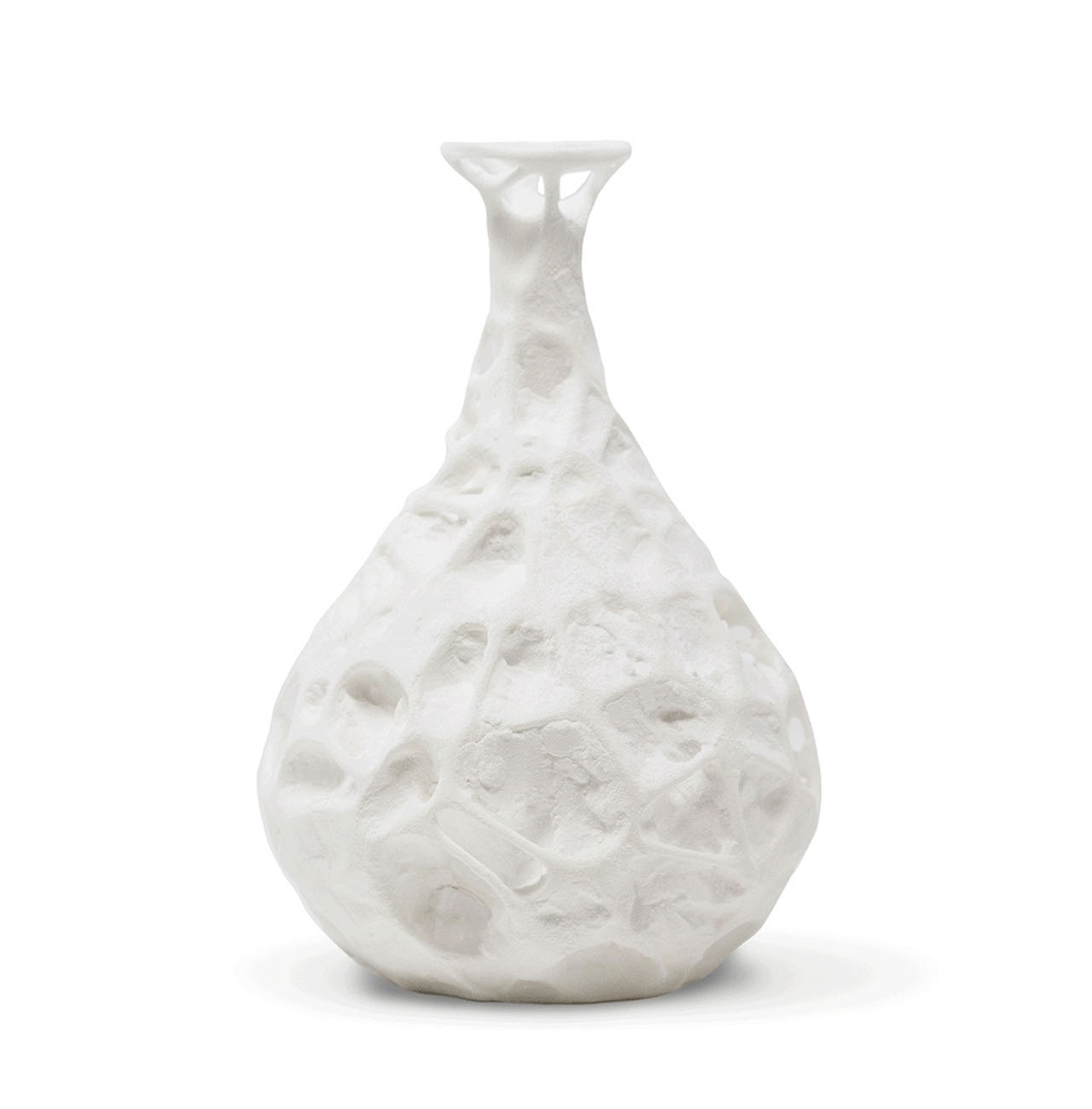
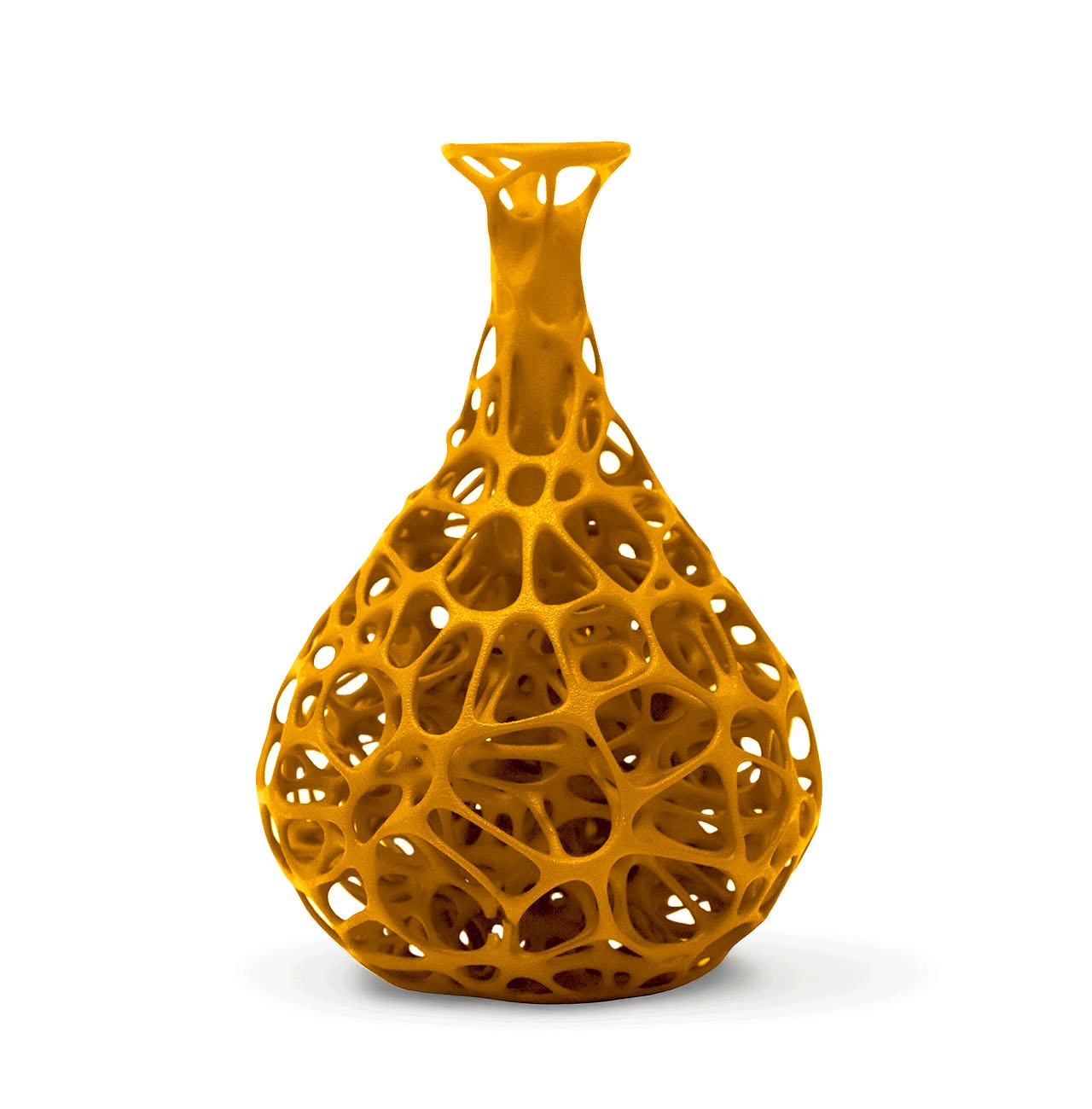
Thanks to DyeMansion systems, each part undergoes full post-production – cleaning, smoothing, and coloring. We achieve a surface quality comparable to injection molding.
Precisely controlled processing stages ensure color repeatability, smoothness, and durability. These give our prints their final look, functionality, and professional character ready for use.
.png&w=3840&q=100)
Polyshot
Automatic cleaning and surface preparation after MJF printing.
The PolyShot system precisely removes powder residues from hard-to-reach places, providing an even, matte finish without damaging the detail.
This is the first stage of post-production that not only improves aesthetics but also prepares parts for further processing – smoothing or coloring. Ideal for mechanical parts, housings, and assembly components.
Vaporfaze
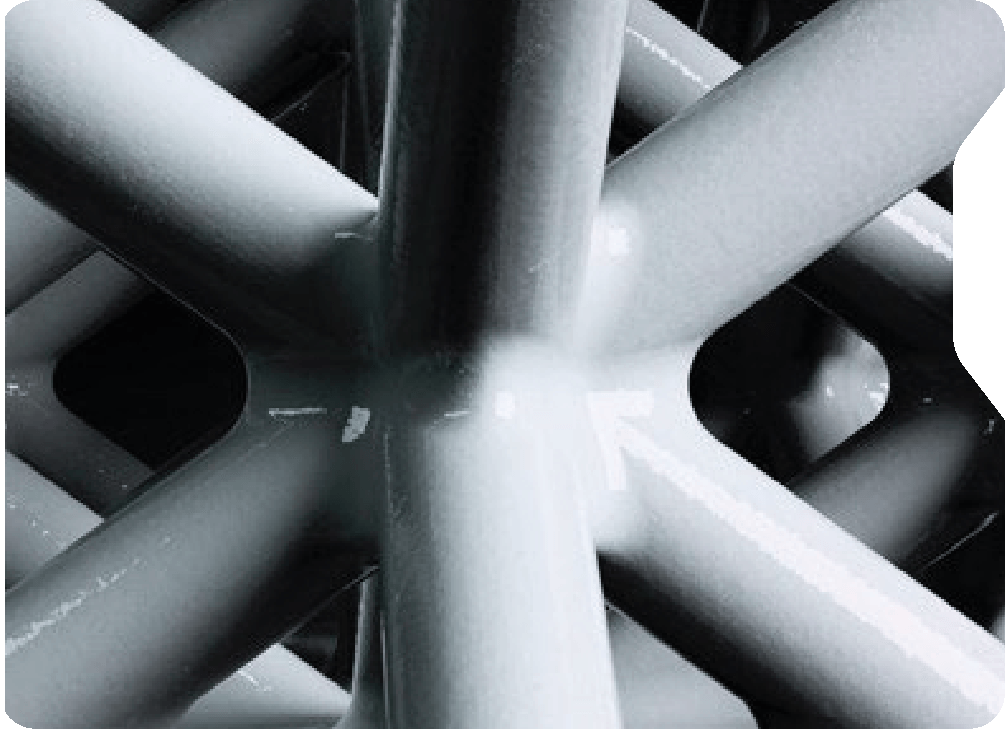
Advanced surface smoothing by vapor smoothing method, implemented in Powerfuse S system.
In this process, parts are exposed to special solvent vapor, which evenly softens and seals their outer layer. Thanks to this, they achieve appearance and properties similar to injection-molded elements — smooth surface, higher chemical and mechanical resistance, and reduced water absorption.
This solution is chosen for aesthetic components and parts that must meet sealing and easy cleaning requirements.
.png&w=3840&q=100)
DeepDye Coloring
Industrial coloring and tinting of elements in a wide palette of colors.
The DM60 system uses DeepDye Coloring technology, where the dye penetrates deeply into the material structure, creating durable and saturated colors resistant to abrasion and UV radiation.
Thanks to the controlled thermal process, full color repeatability in large production series is possible. This solution gives parts not only aesthetics but also an additional protective layer against moisture and dirt.
Types of surface finishes
MJF 3D printing at COSMOLD is a solution for companies that value flexibility, short lead times, and high quality. We support both startups and large industrial plants.
.jpg&w=3840&q=100)
Uncleaned sample
Raw surface, without removal of powder after printing. Rough, porous, and matte — excellent for comparing finishing effects in subsequent post-production stages.
.jpg&w=3840&q=100)
Cleaned sample
Basic removal of powder residues. Retains the natural color of the material and a slightly rough texture. It is the starting point for further finishing stages.
.jpg&w=3840&q=100)
PolyShot Surfacing
Mechanical surface smoothing in the Powershot X system. Gives an even, satin matte and improves parts aesthetics, without affecting dimensions or tolerance.
.jpg&w=3840&q=100)
PolyShot + DeepDye
Combination of cleaning and coloring in DM60 technology. Parts gain intense, deep color and smooth, aesthetic surface with high durability.
.jpg&w=3840&q=100)
VaporFuse Surfacing
Advanced chemical smoothing in the Powerfuse S system. The resulting surface is sealed, shiny and resembles injection molding, providing protection against moisture and dirt.
.jpg&w=3840&q=100)
VaporFuse + DeepDye
Smoothing and coloring in one process. Elements achieve the highest level of aesthetics and resistance – smooth, color-saturated, and ready for direct final use.
Plastics
Materials for 3D printing
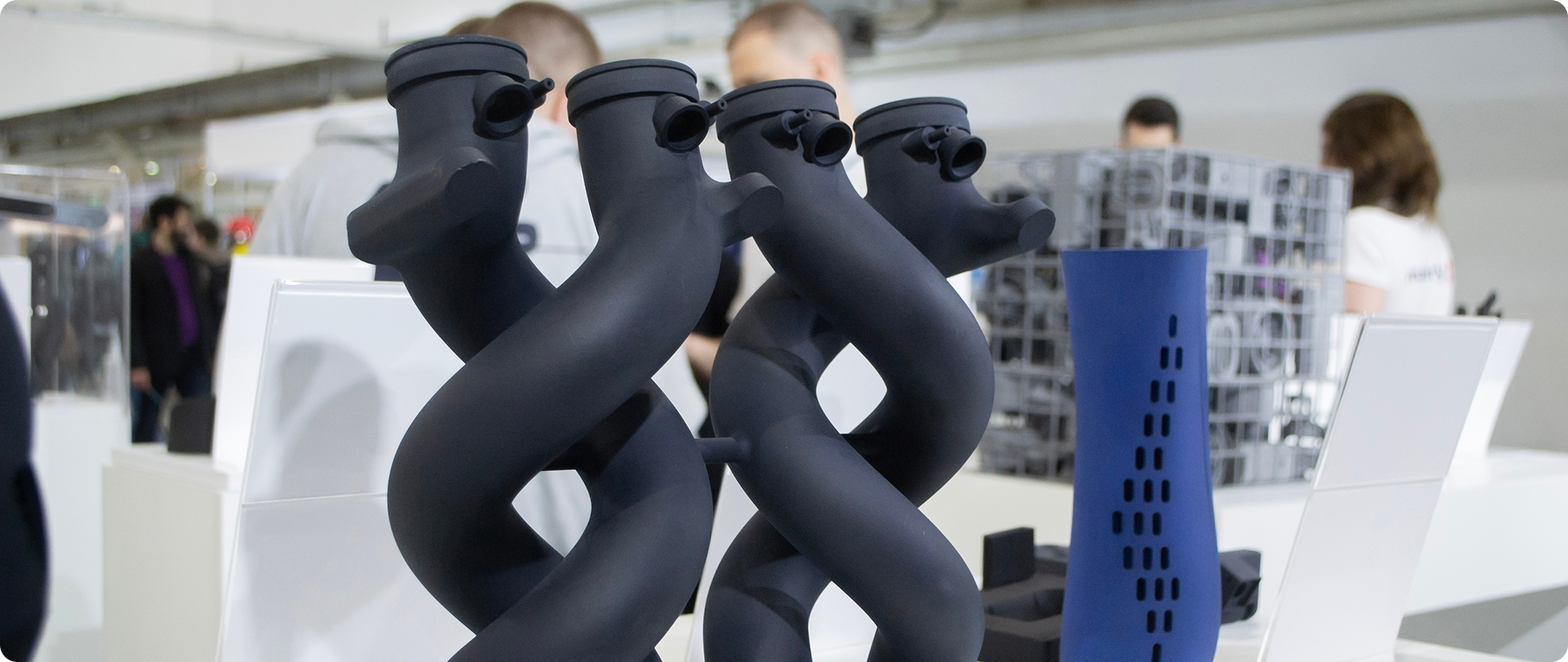
3D printing materials from HP - designed for MJF
HP MJF materials stand out for stability, repeatability, and durability.
From rigid technical details to flexible protective elements — PA12, PA11, and TPU materials provide a full spectrum of possibilities.
At COSMOLD we select them so that each part meets industrial and design requirements.
Polyamide PA12
Thermoplastic with high strength and dimensional stability, ideal for functional parts and short runs.
Very good chemical resistance to oils, greases, aliphatic hydrocarbons, and bases. Material compliant with REACH, RoHS and approved for skin contact.
Files to download:
Files in preparation
Part density
1.01 g/cm³
Dimensional accuracy
±0.2 mm / ±0.2%
Tensile strength, maximum load - Z
48 MPa/6960 psi
Elastic modulus - XY
1700 MPa/245 ksi
Elastic modulus - Z
1800 MPa/260 ksi
Elongation at break - XY
20%
Elongation at break - Z
15%
Heat deflection temperature - Z
175°C | 95°C
Polyamide PA11
Plant-based biopolymer, known for high flexibility and impact resistance.
Used in the automotive, sports, and medical industries. Chemically resistant, with low moisture absorption. Compliant with REACH, RoHS, and PAHs.
Files to download:
Files in preparation
Part density
1.03 g/cm³
Dimensional accuracy
±0.2 mm / ±0.2%
Tensile strength, maximum load - Z
45 MPa/6525 psi
Elastic modulus - XY
1600 MPa/232 ksi
Elastic modulus - Z
1700 MPa/246 ksi
Elongation at break - XY
50 %
Elongation at break - Z
35 %
Heat deflection temperature - Z
182°C | 95°C
Thermoplastic polyurethane TPU
Flexible material with rubber properties, resistant to abrasion, stretching, and impacts. Ideal for seals, covers, and damping components.
Characterized by durability, elasticity, and dimensional stability in MJF printing.
Files to download:
Files in preparation
Part density
1.10 g/cm³
Dimensional accuracy
±0.3 mm / ±0.3%
Tensile strength, maximum load - Z
10 MPa/1450 psi
Elastic modulus - XY
elastic
Elastic modulus - Z
elastic
Elongation at break - XY
300%
Elongation at break - Z
250%
Heat deflection temperature - Z
115°C | 80°C
Software
Programming and Control Quality
At COSMOLD quality control is not a final stage but an integral part of the 3D printing process. From design to finished part.
.png&w=3840&q=100)
Precision starts with data
Consistent quality in every print
We design, analyze, and supervise the entire 3D printing process using software Materialise Magics and SolidWorks. Thanks to this, every stage — from file preparation to final quality report — is fully controlled.
.png&w=3840&q=100)
Advanced engineering software
Materialise Magics 3D Print Suite – a tool for preparing and optimizing production files. Automates nesting, repairs models, generates quality reports, and allows tracking each print batch.
SolidWorks – used in the design phase and fitting part geometry to MJF technology, ensuring the highest accuracy and consistency of CAD/CAM data.
FAQ
Popular questions
Our specialists answer the most frequently asked questions about Multi Jet Fusion (MJF) from HP — the fastest-growing additive manufacturing technology in the world.
Industry articles